
Troubleshooting
Your social media posts may seem harmless, but oversharing can leave you vulnerable to identity theft, stalking, and financial fraud. These 10 dangers reveal how strangers exploit personal details—from vacation photos to daily routines—to manipulate or harm you.
Real-Time Location Tracking for Home Invasions
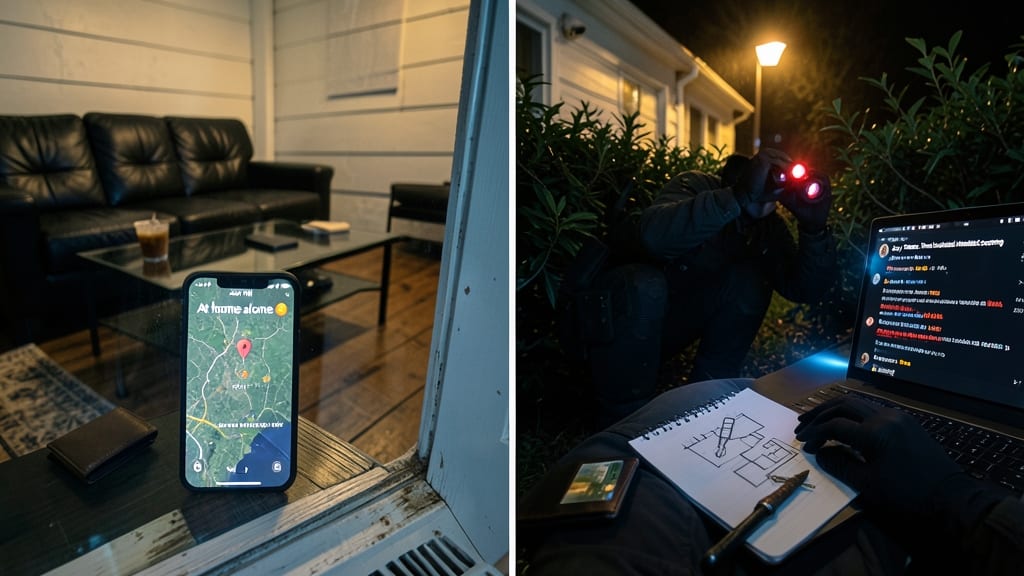
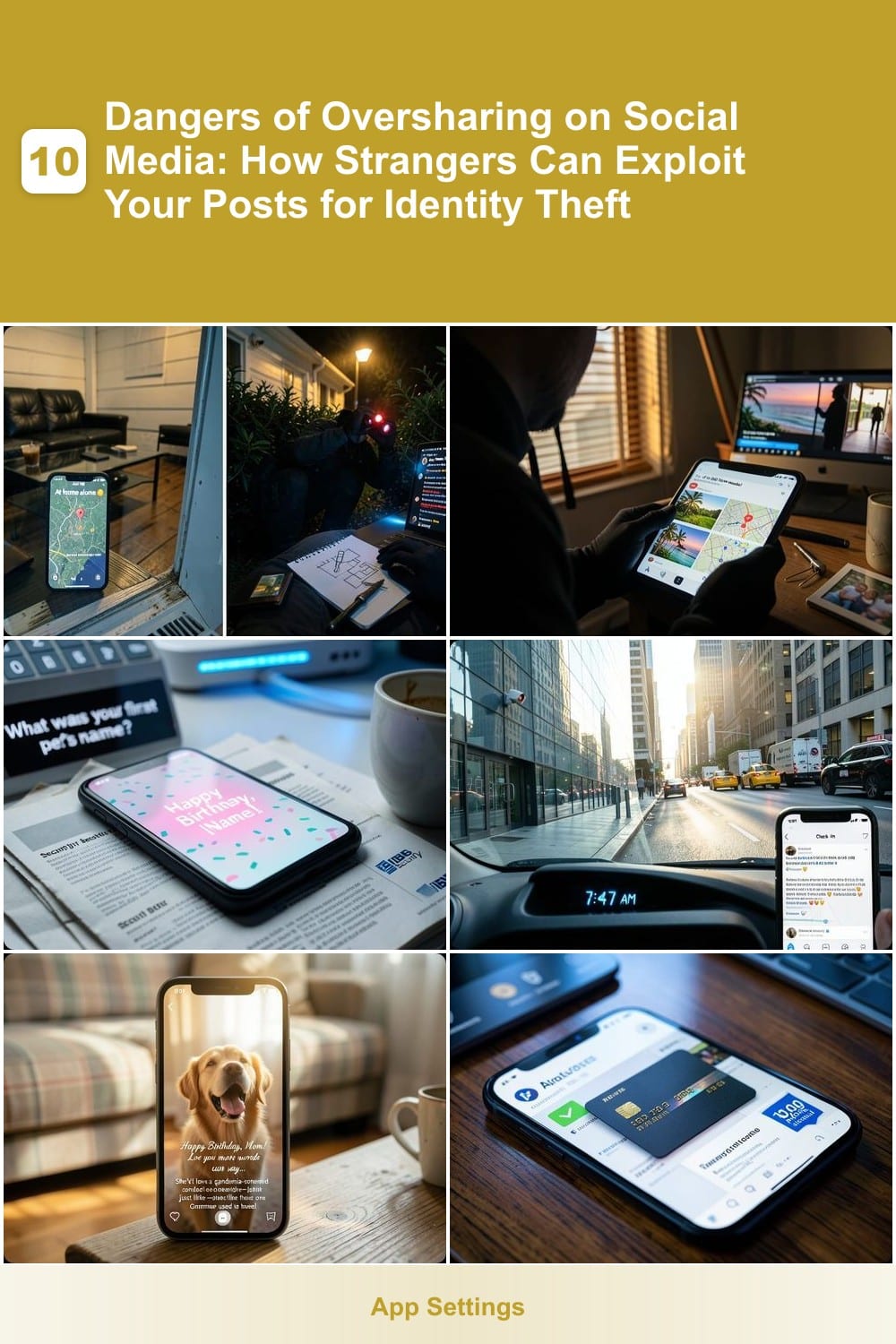
That innocent "At home alone" post might be an open invitation to burglars. Studies show that 40% of home invasions occur after victims publicly share their location or daily routines, turning their social media into a criminal’s scouting tool.
Apps like Facebook’s "Live" check-ins or Instagram’s geotags broadcast your whereabouts in real time, while posts like "Running late to work" or "Weekend alone!" signal vulnerability. Criminals use this intel to plan targeted break-ins, knowing exactly when you’re away. Even seemingly harmless updates—like checking into a coffee shop—can reveal patterns that make your home an easy target. ⚡
Travel Plans as Targeted Theft Opportunities
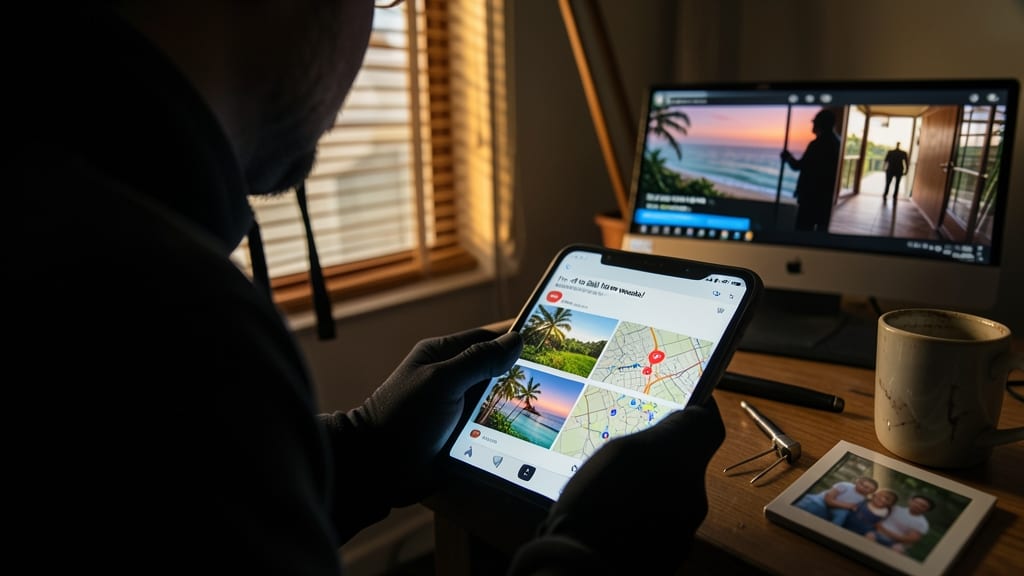
That "I’m off to Bali for two weeks!" post might seem like harmless vacation bragging, but it’s actually a red flag for burglars. Criminals monitor social media for real-time updates—like check-ins or flight confirmations—to time break-ins when homes are empty, with 30% of travel-related thefts directly linked to oversharing, per Travelers Insurance.
Thieves don’t just strike randomly; they use your posts to plan coordinated burglaries, targeting high-value items like electronics, jewelry, or even prescription medications. A single geotagged photo of your empty driveway gives them the perfect window—often 3-5 days—to case your home and strike when you’re farthest away. Even "private" posts can be scraped by bots scanning for patterns.
This isn’t just about grand theft—pet sitting services, mail delays, and suspended deliveries also tip off opportunists. Freelancers, remote workers, and retirees are especially vulnerable, as their routines are easier to predict. ⚡
Password Reset Exploits Through Shared Birthdays
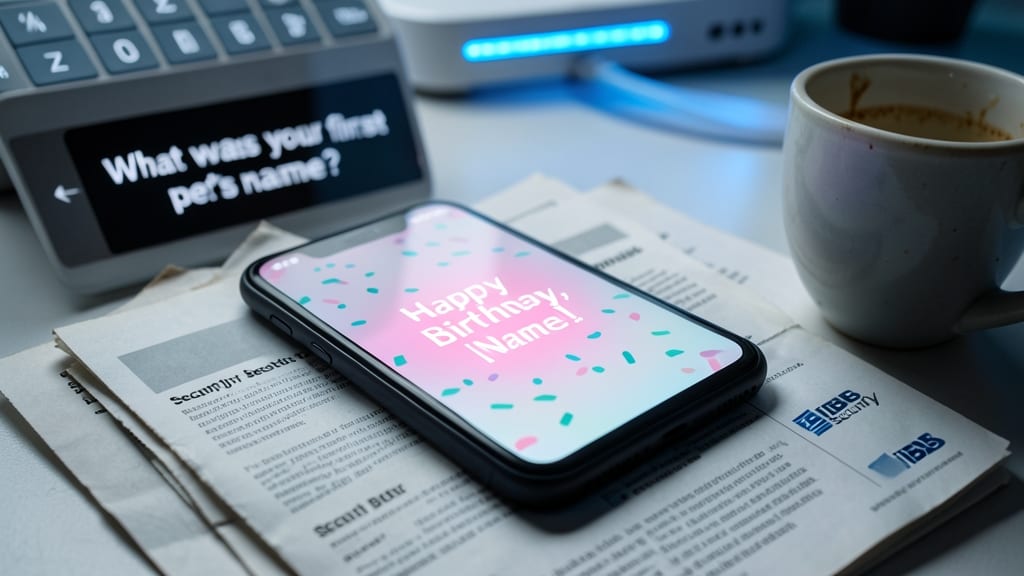
That innocent "Happy Birthday!" post might be the key to unlocking your accounts. Hackers use publicly shared birthdays and pet names—common security questions—to bypass password recovery, and 65% of data breaches start with compromised credentials, according to IBM Security reports.
Platforms like Facebook and LinkedIn often default to sharing birthdays publicly, while Twitter/X lets users embed dates in bios. A quick search reveals these details, which attackers then exploit to reset passwords, access emails, or even file fraudulent claims. Even seemingly harmless pet names (like your first dog’s name) can be weaponized in phishing scams.
This risk isn’t just for tech novices—celebrities, executives, and everyday users all fall victim. If you’ve ever posted a birthday or answered security questions publicly, assume it’s already in a hacker’s database. ⚡
Workplace Routines for Corporate Espionage
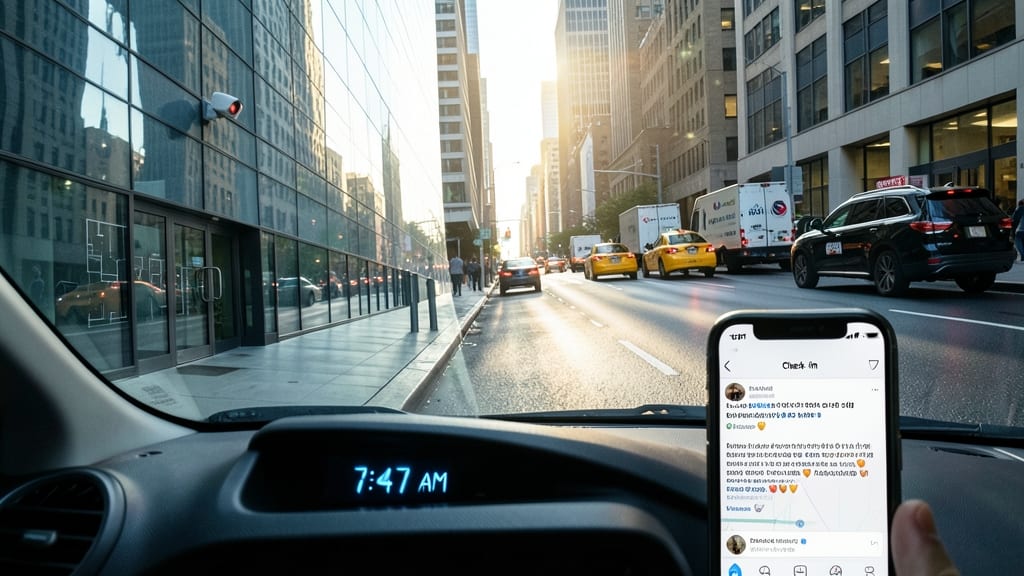
That "quick morning commute" post might seem innocent, but it’s a goldmine for corporate spies. Sharing your daily commute times or office floor plans—even in casual photos—lets competitors or malicious actors plan targeted attacks, from physical break-ins to phishing campaigns using insider details.
For example, a post like "Heading to the office at 7:30 AM" reveals your predictable schedule, while photos of lobby layouts or security camera blind spots help attackers plan heists. A 2023 IBM Security report found that 22% of corporate breaches stem from employee social media oversharing, with attackers using LinkedIn, Twitter, and even Instagram to gather intel.
This isn’t just a risk for executives—anyone in finance, tech, or legal fields is a target. If your job involves sensitive data, even a seemingly harmless post could be the key someone uses to exploit your workplace. 💻
Pet Names as Social Engineering Bait
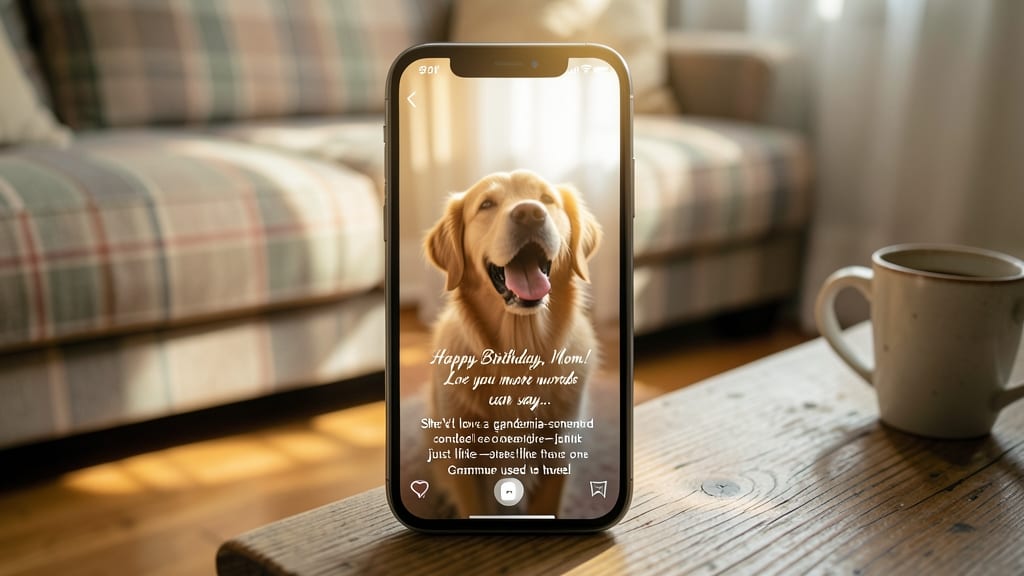
That cute photo of your dog or the heartfelt post about your mom’s birthday might seem harmless—but scammers use these details to impersonate you in phone calls or messages. A single shared pet name or family member detail can turn a random caller into a "trusted" voice, making you more likely to hand over sensitive info or send money.
Scammers exploit this tactic by mimicking loved ones in distress ("Your mom’s in the hospital!") or pretending to be a trusted neighbor or friend ("Your dog’s been barking all night—is everything okay?"). According to reports, 78% of successful phishing attacks start with personal details scraped from social profiles, including pet names, nicknames, or even childhood stories.
Parents, pet owners, and anyone with close relationships should avoid posting these details publicly. Even "friends-only" posts can be screenshotted or leaked—always assume strangers are watching. 🔧
Financial Habits for Credit Card Fraud
That "new credit card" post might seem harmless, but it’s a red flag to skimmers and fraudsters lurking for financial opportunities. Approval notifications, reward program sign-ups, and even casual mentions of subscriptions can signal prime targets for credit card fraud.
Fraudsters monitor social media for keywords like "new card," "approval," or "cashback rewards" to identify victims. Once flagged, they may use skimming devices at ATMs, intercept mail for your physical card, or exploit reward program vulnerabilities to drain your account. Even seemingly innocent posts about high-value purchases (like electronics or travel) can attract scammers looking for patterns.
Small business owners and frequent travelers are especially at risk, as their public spending habits make them high-value targets. A simple privacy tweak—like limiting financial posts to close friends only—can drastically reduce exposure. 💻
Relationship Status as Blackmail Leverage
A single status update can turn personal relationships into dangerous leverage. When you publicly announce a new romance or a breakup, you’re not just sharing a life update—you’re handing potential abusers a psychological weapon. Studies show that 15% of domestic violence cases escalate after social media posts reveal intimate connections, turning online declarations into real-world threats.
Stalkers and ex-partners use these posts to monitor movements, locate shared addresses, or manipulate victims into compliance. Even seemingly harmless updates like "Just started dating someone new" or "It’s over" can trigger harassment campaigns, with predators exploiting emotional vulnerability. Platforms like Facebook, Instagram, and Twitter lack built-in safeguards for this specific risk, leaving users vulnerable to targeted manipulation without realizing it.
This danger isn’t just about privacy—it’s about emotional safety. If you’re in a high-risk situation (or even just cautious), consider delaying relationship announcements until trust is firmly established offline. A private message to close friends is safer than a public post that could be screenshotted and weaponized. ✨
Daily Routines for Stalking and Harassment

That seemingly innocent "Gym at 6 PM every Tuesday" post might sound like a harmless fitness update—but for predators, it’s a blueprint for ambushes. A staggering 40% of stalking victims report their harasser used social media to track their routines, according to victim advocacy groups, turning public check-ins into dangerous patterns.
Predators exploit consistent, predictable posts (like coffee runs, dog walks, or commute times) to map your movements, creating opportunities for harassment or worse. Even "just left the office" updates can signal when you’re alone in your car or home. The psychological impact is real: stalkers use this data to escalate from digital surveillance to physical threats.
If you’re someone who thrives on sharing daily wins (or struggles), avoid posting fixed schedules—especially with geotags. Use "Story" features with 24-hour expiration instead of permanent posts, and trust your gut if a post feels like oversharing. 💪
Medical Conditions as Insurance Fraud Targets
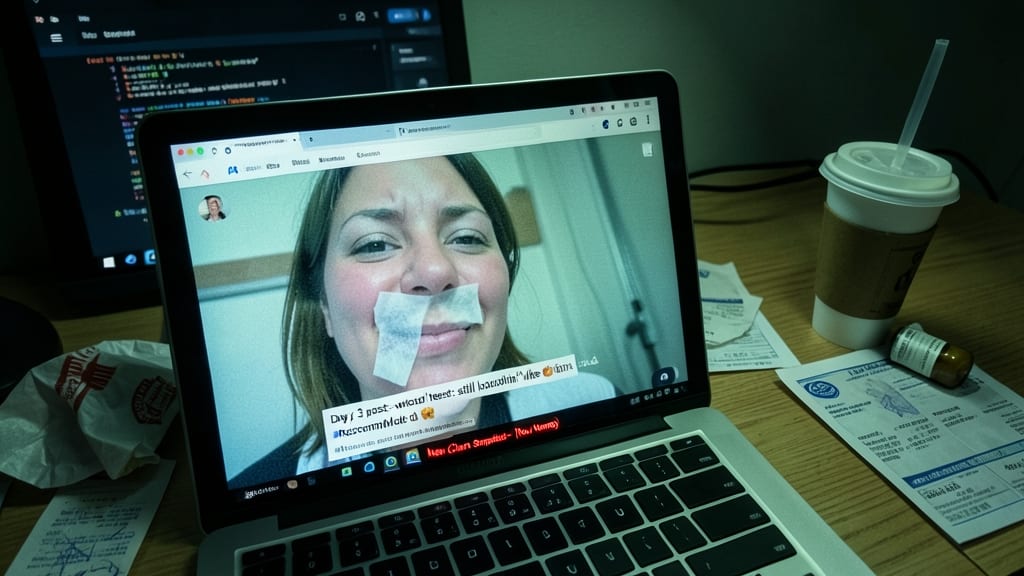
That "just got my wisdom teeth out" post might seem like a casual update, but it’s a goldmine for medical identity thieves. Fraudsters scour social media for health-related updates to file fake claims under your name, draining your insurance or even racking up medical debt in your credit history.
Once they have your diagnosis (e.g., diabetes, asthma, or back surgery), they can submit claims for expensive treatments like MRI scans or prescription drugs—all while you’re left paying the bills. The Federal Trade Commission (FTC) reports a 21% annual rise in medical identity theft cases, with victims spending an average of $13,500 to clear their records.
If you’ve ever posted about a doctor’s visit, medication, or even a minor injury, you’re at risk. Patients with chronic conditions or those who’ve had major procedures are prime targets. Always assume your posts could be weaponized—because they can be. ✨
Children’s Details for Kidnapping or Exploitation
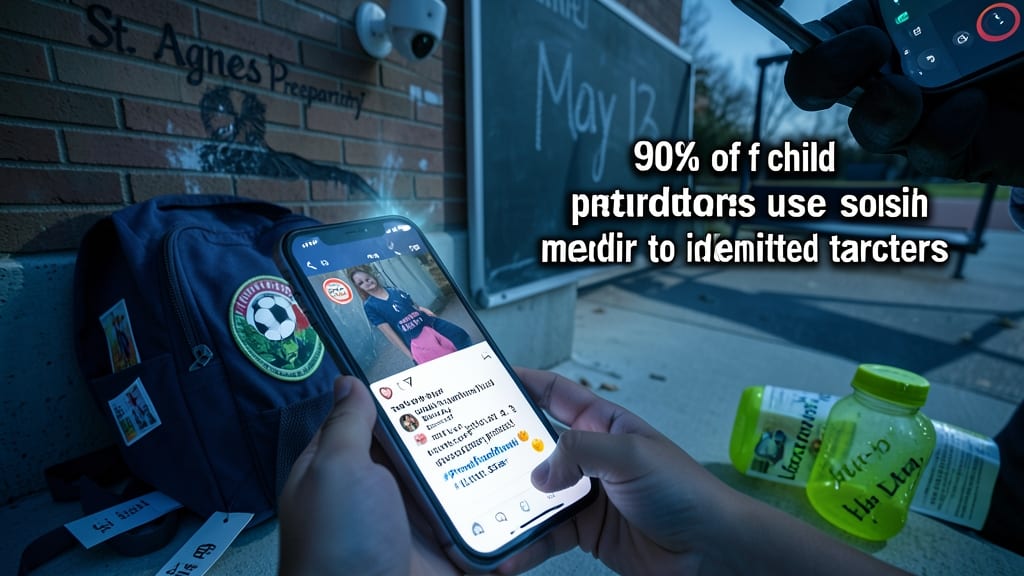
Sharing your child’s school name, birthday, or after-school activities might seem innocent—but it’s a goldmine for predators. The FBI warns that 90% of child predators use social media to identify targets, and oversharing makes it easier than ever for abduction rings or grooming attempts to strike.
Even seemingly harmless posts like "First day at [School Name]!" or "Happy Birthday, [Child’s Name]!" reveal critical details. Predators cross-reference this with public records or social media profiles to build trust with kids. The National Center for Missing & Exploited Children (NCMEC) reports a 15% increase in online child exploitation cases tied to oversharing on platforms like Facebook and Instagram.
Parents of young kids should avoid posting school names, schedules, or photos with location tags—even if profiles are private. Use platform-specific privacy tools (like Instagram’s "Close Friends" lists) to limit exposure. 🌟