
Coding
SQL Server 2012 introduced groundbreaking features that transformed database management. From performance enhancements to improved security, these tools became essential for developers and administrators alike. Discover the top 10 innovations that redefined data handling in enterprise environments.
AlwaysOn Availability Groups

Mission-critical applications can’t afford downtime—and AlwaysOn Availability Groups in SQL Server 2012 changed the game by delivering synchronous replication across multiple servers. Unlike traditional failover solutions, this feature ensures data consistency in real-time, making it a cornerstone for enterprises like financial institutions or healthcare providers.
With support for up to eight secondary replicas, you can distribute workloads while maintaining high availability and disaster recovery without manual intervention. The automatic failover capability kicks in within seconds if a primary server fails, and you can even read queries from secondary replicas to offload traffic. This eliminates the need for complex mirroring setups while reducing recovery time objectives (RTO) to near-zero.
Perfect for organizations running 24/7 operations, AlwaysOn Availability Groups let you scale read operations across replicas while keeping writes synchronized. If your app demands zero downtime, this is the battle-tested setup. ⚡
Columnstore Indexes for Data Warehousing

If your analytical queries are running slower than a dial-up connection, Columnstore Indexes in SQL Server 2012 might be your lifeline. This game-changing feature redefines data warehousing by storing data vertically—think of it as flipping a traditional row-based table on its side to optimize scans for aggregations, filters, and large dataset queries.
With Columnstore Indexes, you can achieve 10x faster query performance on large datasets by compressing data efficiently. The feature automatically handles batch mode processing, making it ideal for OLAP (Online Analytical Processing) workloads. Plus, it integrates seamlessly with existing rowstore indexes, so you don’t have to choose between speed and flexibility.
This is the go-to solution for data analysts, BI professionals, and enterprises drowning in terabytes of transactional data. Whether you're crunching sales trends or generating complex financial reports, Columnstore Indexes turn "waiting for results" into "instant insights." ✨
Contained Databases with User-Defined Roles
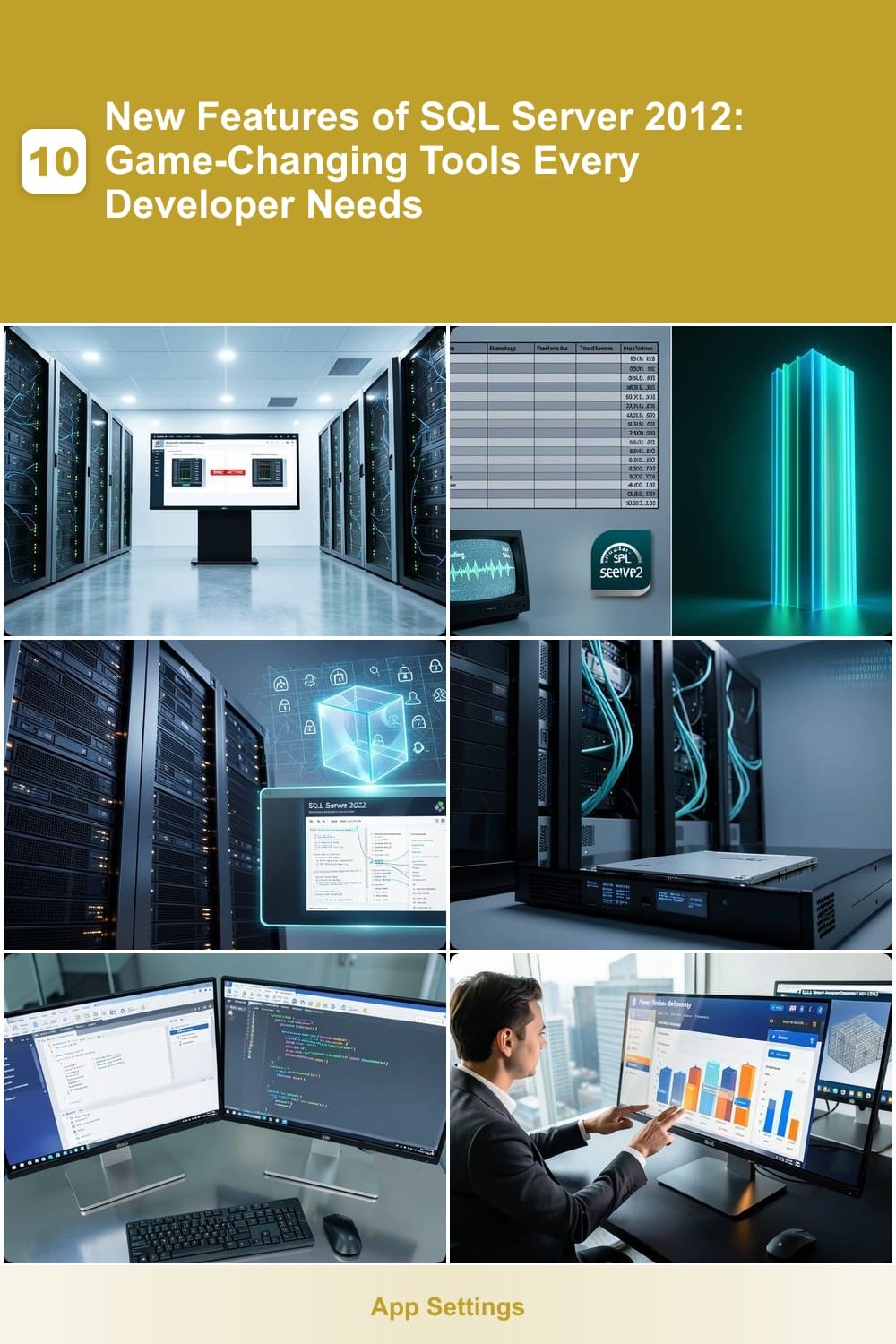
Tired of managing permissions across sprawling SQL Server instances? Contained databases in SQL Server 2012 introduced a game-changer by isolating databases from their host instances, letting you manage security at the database level instead of the server level.
With contained databases, you can now define user-defined roles and permissions entirely within a single database, eliminating dependencies on server-level logins. This means your multi-tenant SaaS applications can securely host customer databases without cross-contamination risks. The feature also supports contained database authentication, where logins are scoped to the database itself, making deployments cleaner and more portable.
Perfect for cloud providers and ISVs hosting multiple customers on shared infrastructure, this feature ensures data integrity while simplifying administration. Your security policies now travel with the database, not the server. ✨
Windows Server Core Support

If your organization prioritizes security and efficiency in cloud or virtualized environments, Windows Server Core Support in SQL Server 2012 is a game-changer. This feature allowed SQL Server to run on the stripped-down, minimal Windows Server Core installation—eliminating unnecessary services and reducing the attack surface while maintaining full functionality.
The lightweight installation retains all core SQL Server capabilities, including database management, security features, and performance optimizations, but with a smaller footprint and fewer vulnerabilities. This was particularly valuable for cloud deployments and virtualized environments where resource efficiency and security are critical. The integration ensured compatibility without sacrificing reliability, making it ideal for enterprises managing large-scale deployments. 💻
SQL Server Data Tools Integration

Tired of juggling separate tools for database development and Visual Studio? SQL Server Data Tools (SSDT) finally brought database projects into the IDE you already love, eliminating the need for SSMS (SQL Server Management Studio) for routine tasks.
This integration lets you manage database projects directly within Visual Studio, with features like schema comparison, data generation plans, and T-SQL debugging—all while maintaining version control. The project-based workflow ensures consistency across environments, and the schema comparison tool highlights differences between your local dev database and production with a single click.
Perfect for developers who want to collaborate with DBAs in a shared environment, SSDT reduces friction while maintaining the rigor of database management. 💻
Power View for Interactive Data Visualization
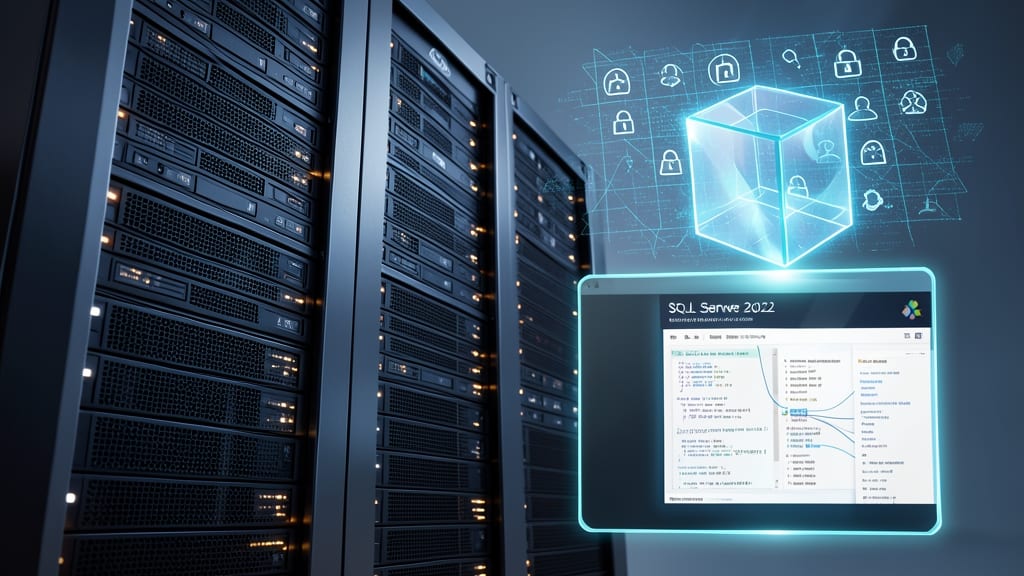
Tired of waiting for IT teams to generate reports? Power View in SQL Server 2012 lets business users create stunning, interactive dashboards without writing a single line of code—directly from SQL Server Analysis Services (SSAS).
This self-service tool supports 3D visualizations, dynamic filtering, and real-time data exploration with drag-and-drop simplicity. Whether you're analyzing sales trends or tracking KPIs, Power View renders complex datasets into intuitive charts, maps, and pivot tables—all while maintaining enterprise-grade security through role-based permissions.
Perfect for marketers, analysts, and executives who need agile insights, Power View eliminates bottlenecks by putting visualization power in the hands of non-technical users. ✨
Sequence Objects for Number Generation

Tired of identity columns limiting your numbering schemes to a single table? SQL Server 2012 introduced sequence objects, a game-changer for generating unique numbers across databases with granular control. Unlike rigid identity columns, these objects let you define increments, start values, and cycles—perfect for complex systems like multi-tenant SaaS platforms.
With sequence objects, you gain cross-database support, meaning one sequence can serve multiple tables or even databases. You can also set custom caching (e.g., 100 values pre-allocated) to minimize latency, and configure cycle behavior (restarting after exhaustion). The syntax is intuitive: CREATE SEQUENCE dbo.MySeq AS INT START WITH 1 INCREMENT BY 5.
This feature is a must for developers managing distributed systems or needing non-sequential numbering (e.g., batch IDs). Say goodbye to workarounds like triggers or application-side counters—SQL Server now handles it natively. ✨
Contained Database Authentication
Tired of juggling server-level logins just to manage a single database? Contained Database Authentication in SQL Server 2012 lets you authenticate users directly within the database itself—no server admin privileges required.
This feature supports both Windows and SQL logins natively, making it perfect for cloud deployments where you can’t rely on server-wide credentials. You can now create contained users with database-scoped permissions, reducing security risks while simplifying multi-tenancy setups. The best part? No need to modify server-level logins or rely on external authentication systems.
Ideal for SaaS providers and cloud-based applications, this feature streamlines user management while keeping data isolated and secure. ⚡
SQL Server AlwaysOn Failover Clustering
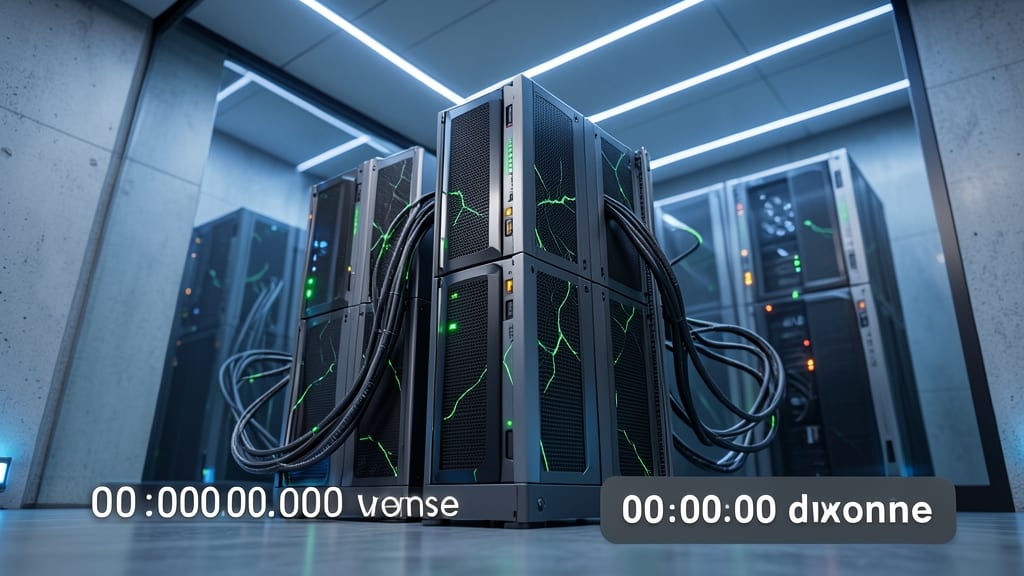
When every second of downtime costs thousands, SQL Server AlwaysOn Failover Clustering steps in as your enterprise-grade safety net. Unlike traditional clustering solutions, this feature combines synchronous replication with automatic failover—ensuring your critical applications stay online even during hardware failures or planned maintenance.
With zero manual intervention required, the system detects issues in milliseconds and seamlessly switches to a standby node. It supports up to 16 nodes in a cluster, providing unmatched redundancy for mission-critical workloads like ERP systems or financial transactions. The integration with Windows Server Failover Clustering adds an extra layer of reliability, making it ideal for environments where uptime isn’t just preferred—it’s mandatory.
This feature is a game-changer for IT administrators managing high-stakes databases or enterprise architects designing fault-tolerant infrastructures. If your business can’t afford interruptions, AlwaysOn Failover Clustering delivers the resilience you need. ✨
SQL Server Data Quality Services
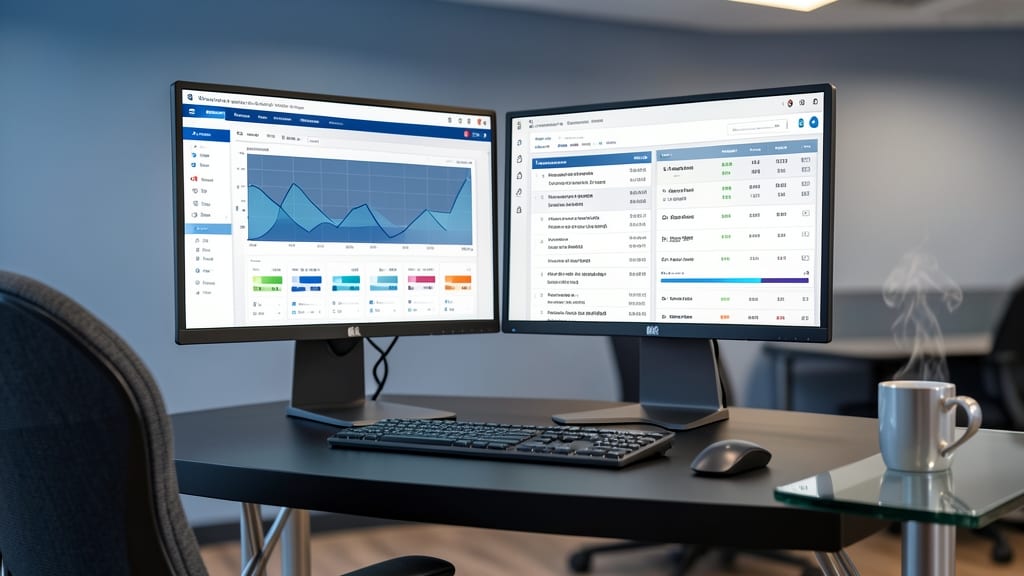
Tired of spending hours manually cleaning messy data before analysis? SQL Server Data Quality Services (DQS) automated the process with built-in profiling and cleansing tools, making it a game-changer for data-heavy organizations.
This feature included data profiling to identify inconsistencies, cleansing rules for standardization, and domain-specific knowledge bases to match records across systems. It even handled complex scenarios like fuzzy matching for names or addresses, reducing manual intervention by up to 70% in many cases.
Perfect for enterprises dealing with heterogeneous data sources, DQS became the go-to solution for maintaining data integrity without requiring custom scripts or third-party tools. 💡