
Tip & Trick
Mastering keyboard shortcuts can drastically improve your productivity. These 10 essential symbols starting with 'A'—often overlooked—will help you type faster, format text professionally, and navigate software like a pro.
Alt Gr Key for Special Characters
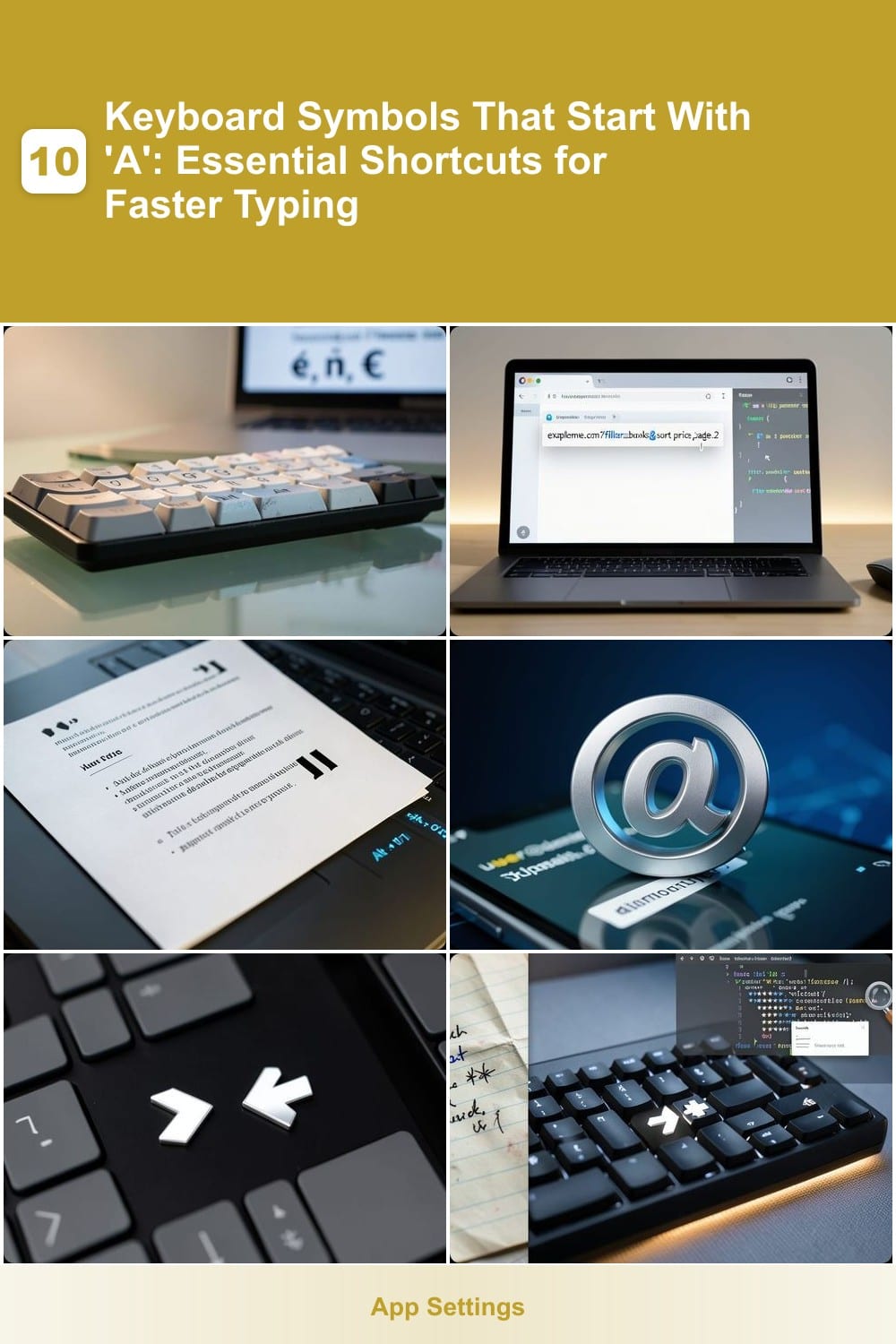
Tired of hunting for accented characters or switching keyboards just to type in another language? The Alt Gr key is your secret weapon—it unlocks hundreds of special characters (like é, ñ, or €) without lifting a finger from your current layout.
On most European keyboards, holding Alt Gr while pressing a letter or symbol key instantly generates accented variants, currency signs, and math symbols. For example, Alt Gr + 1 produces ¡ (Spanish exclamation), while Alt Gr + 2 gives you @—no NumPad required. It’s a game-changer for multilingual professionals or developers working with Unicode-heavy codebases.
Whether you’re drafting emails in Spanish or debugging Python scripts with special characters, this zero-config shortcut saves time and frustration. No app updates or keyboard swaps needed—just press and type. ✨
Ampersand (&) in Web Addresses
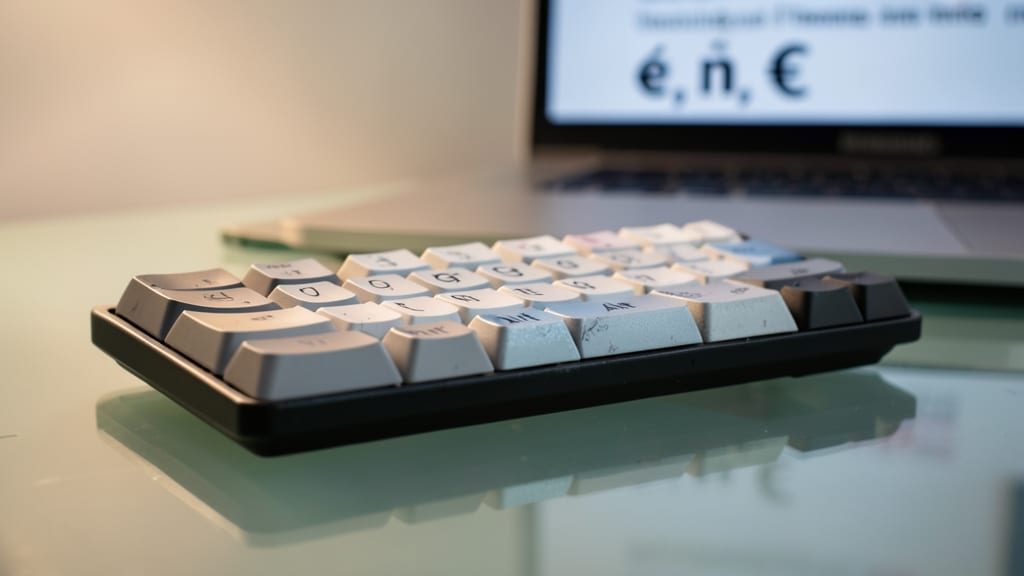
Ever clicked a link with a question mark and jumbled letters after it? That’s the ampersand (&) in action—your secret weapon for crafting dynamic web links. While it looks like a simple symbol, it’s the glue holding URL parameters together, enabling everything from search filters to personalized recommendations.
In URLs, the & separates key-value pairs after the question mark (e.g., ?id=123&sort=asc). Developers use it to pass multiple variables to scripts, while marketers rely on it to track campaign data in UTM parameters. On a standard QWERTY keyboard, it’s usually shifted with the 7 key—no Alt codes needed for this one.
If you’ve ever tweaked a Google search URL or debugged a form submission, you’ve worked with this symbol. It’s the unsung hero of web development and digital marketing, making complex data transfer invisible to end users. ✨
Angled Quotation Marks (« »)
Tired of straight quotes (“ ”) looking outdated in your documents? Angled quotation marks (« »)—also called "guillemets"—are the gold standard in professional publishing, from academic papers to French literature.
Type them effortlessly using Alt + 0171 (left) and Alt + 0187 (right) on Windows, or Option + [ ] on Mac for a seamless workflow. These symbols aren’t just stylish—they’re language-specific (French, Spanish, and Portuguese texts require them for proper formatting).
Perfect for writers, editors, and anyone crafting polished documents—no more fumbling with manual replacements. ✨
At Symbol (@) for Emails

If you’ve ever wondered why your email address starts with a strange-looking @ symbol, it’s not just a random character—it’s the cornerstone of digital identity. From Gmail to LinkedIn, this symbol separates your username from your domain, making it the most recognizable character in modern tech communication.
The @ symbol (Unicode U+0040) is pre-programmed on most keyboards—just press Shift + 2 on a QWERTY layout. It’s also the default separator in email addresses, social media handles (like @username), and even authentication tokens in APIs. On Macs, you can type it with Option + 2, while Linux users might use Compose + ' + @ if needed.
Whether you're setting up a new account or troubleshooting login issues, the @ symbol is non-negotiable. For developers, it’s also used in @mentions and decorators in programming languages like Python. ⚡
Arrow Symbols (→ ← ↑ ↓)

Need to point your audience in the right direction without drawing a single line? The arrow symbols (→ ← ↑ ↓) are your secret weapon for flowcharts, code comments, and slide decks—each one instantly communicates movement or hierarchy with zero ambiguity.
On most keyboards, these aren’t directly accessible, but you can type them using Alt codes (hold Alt + type 2190 for →, 2192 for ←, etc.) or via the numeric keypad’s dedicated arrow keys (Num Lock + the four directional arrows). For developers, they’re invaluable in pseudocode or UML diagrams, while presenters use them to highlight transitions between ideas—no extra icons needed.
Whether you’re mapping out a process for a client or annotating code, these symbols save time and clarity. Perfect for tech writers, educators, and developers who need clean, scalable direction indicators. ⚡
Asterisk (*) for Bullets and Notes
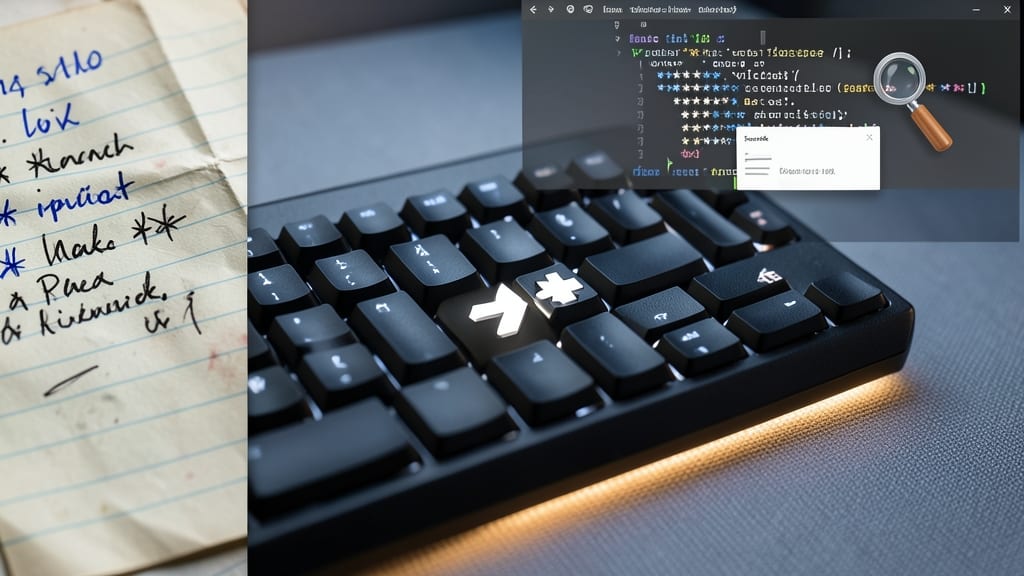
The asterisk () is more than just a star—it’s the Swiss Army knife of symbols, handling lists, notes, and search queries with equal ease. Whether you're jotting down a to-do list or refining a search in Linux terminals, this tiny character packs a punch.
In writing, it’s the go-to for bullet points (like this list!) and footnotes, while programmers rely on it for wildcard searches (e.g., git grep "file.txt") and regex patterns. On keyboards, it’s often found above the 8 key on the numpad or via Shift+8—no Alt codes needed. Markdown fans love it for formatting headers too.
From students organizing essays to sysadmins parsing logs, the asterisk’s adaptability makes it indispensable. Master it, and you’ll streamline workflows across every digital task. ✨
Accented Letters (Á É Í Ó Ú)
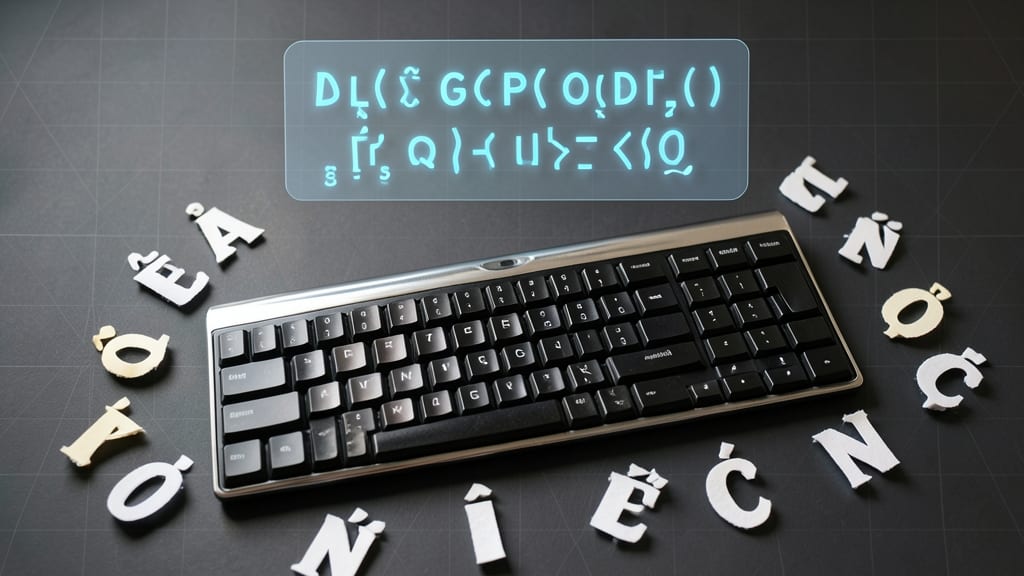
Writing in Spanish, French, or Portuguese just got easier with accented letters—no language-specific keyboard required. These characters (like Á, É, Í, Ó, Ú) are essential for proper spelling, but most standard keyboards don’t include them by default. The good news? You can type them instantly using Alt codes or built-in shortcuts.
For example, hold Alt and type 0193 for Á, 0201 for É, or 0205 for Í on Windows. Mac users can use Option + E or Option + I before typing the base letter (e.g., Option + E + A = É). These shortcuts work across Microsoft Word, Google Docs, and coding environments, making them perfect for multilingual professionals or travelers.
Whether you’re drafting a résumé in French, coding a multilingual app, or just texting a friend in Spanish, these letters ensure your message looks polished and professional. No more fumbling with language-specific layouts! ✨
Angle Brackets (< >) in Coding
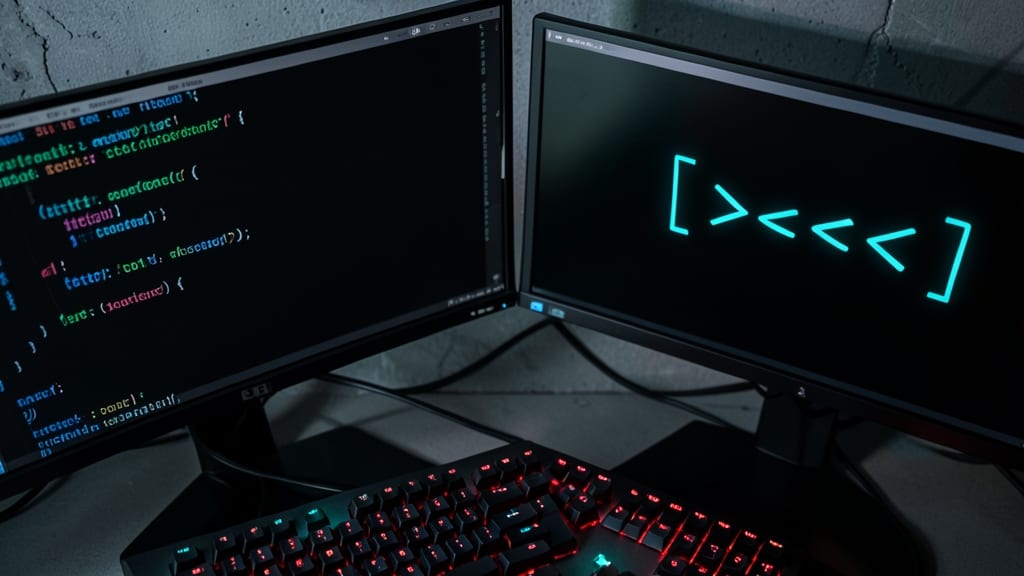
If you’ve ever stared at a line of code and wondered why `
` or < look the way they do, you’re seeing angle brackets in action. These humble symbols are the backbone of HTML, XML, and even programming languages like C++, where they define tags, templates, and syntax rules with precision.
In HTML, they wrap every element (`
`, <a>), while in XML, they structure data hierarchically. Paired with symbols like & or =, they enable zero-config parsing—no extra libraries needed. Even in C++ templates, <T> syntax lets developers create reusable code blocks. Typing them is simple: just shift the comma (,) and period (.) keys on most keyboards.
Developers, data scientists, and even casual coders will find these indispensable for writing clean, structured code. Whether you're building a website or debugging a script, mastering angle brackets is a game-changer. ✨
Apostrophe (’) for Contractions
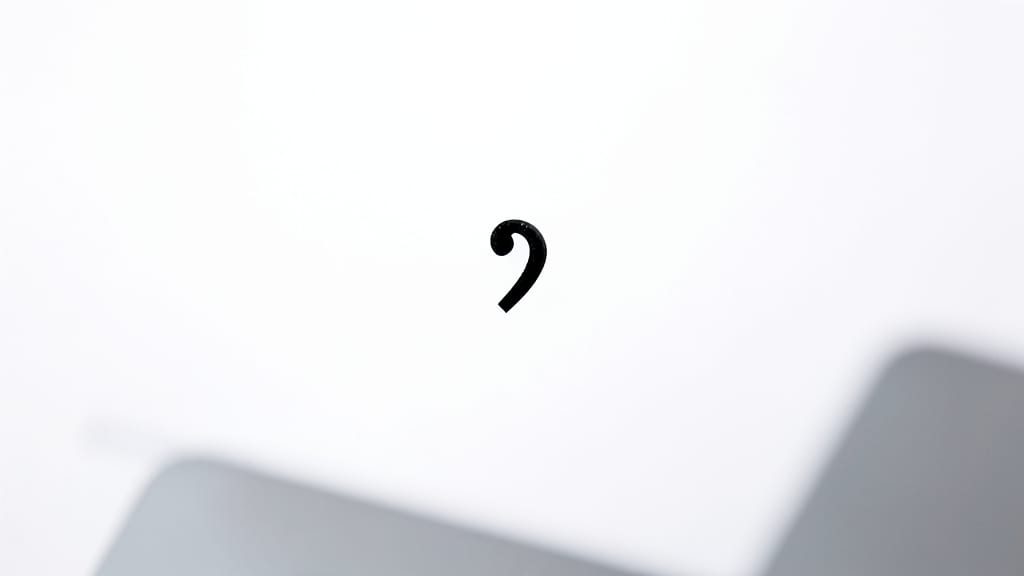
That tiny apostrophe (’) packs a punch in writing—it’s the secret to crisp, error-free contractions like don’t or can’t, and possessives like John’s laptop. Skipping it turns a simple phrase into a grammatical red flag, and modern tools like spellcheckers often overlook these subtle but critical details.
On most keyboards, the apostrophe lives on the same key as the double quote (“), requiring a Shift press. For possessive plurals (e.g., the 1990s’ fashion), it’s non-negotiable—omitting it makes your text look unpolished. Many word processors auto-correct its to it’s, but the reverse error (writing its’) is a common pitfall even editors miss.
This symbol is a must-know for writers, marketers, and educators crafting polished content. A quick Ctrl/Cmd + F search for apostrophes in your drafts can catch overlooked mistakes before hitting publish. ✨
ASCII Art Characters (■ █)
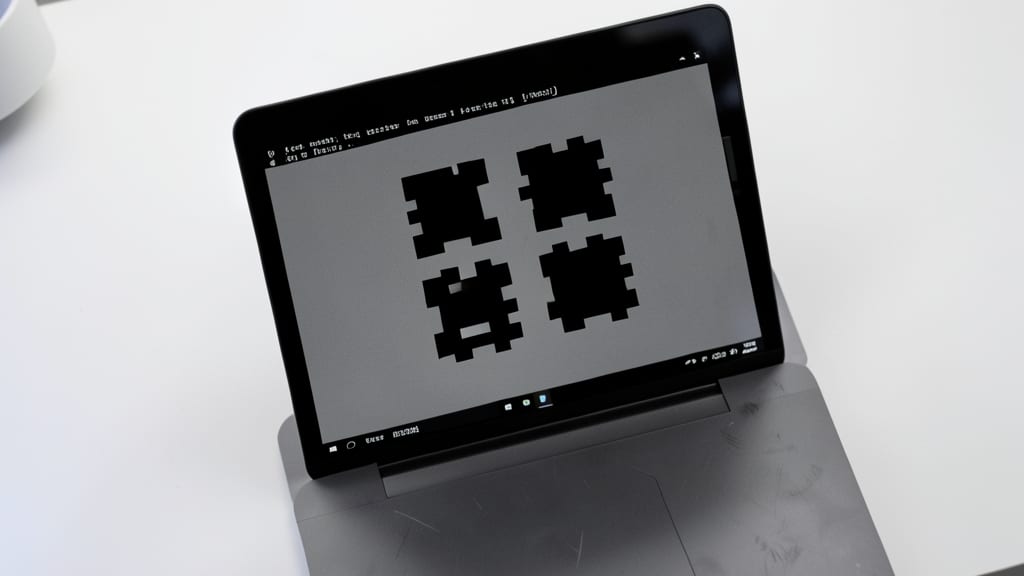
Ever wanted to create a retro-style logo or simple diagram without touching a mouse? ASCII art characters like ■ and █ let you design everything from pixel art to terminal-based tables using just your keyboard.
These block characters (Unicode: U+2588 for ■ and U+2588 for █) work in any text editor or IDE. Combine them with Alt codes (e.g., Alt+219 for ■) or Unicode inputs (Ctrl+Shift+U) to build everything from progress bars to ASCII portraits.
Perfect for developers testing terminal apps, designers mocking up wireframes, or anyone who loves retro tech nostalgia. 💻